Surfing Stuhl — Sculptural Chair Inspired by a Surfboard
Company
Surfingstuhl
Timeline
2020
—
2021
Role
Design
Project overview
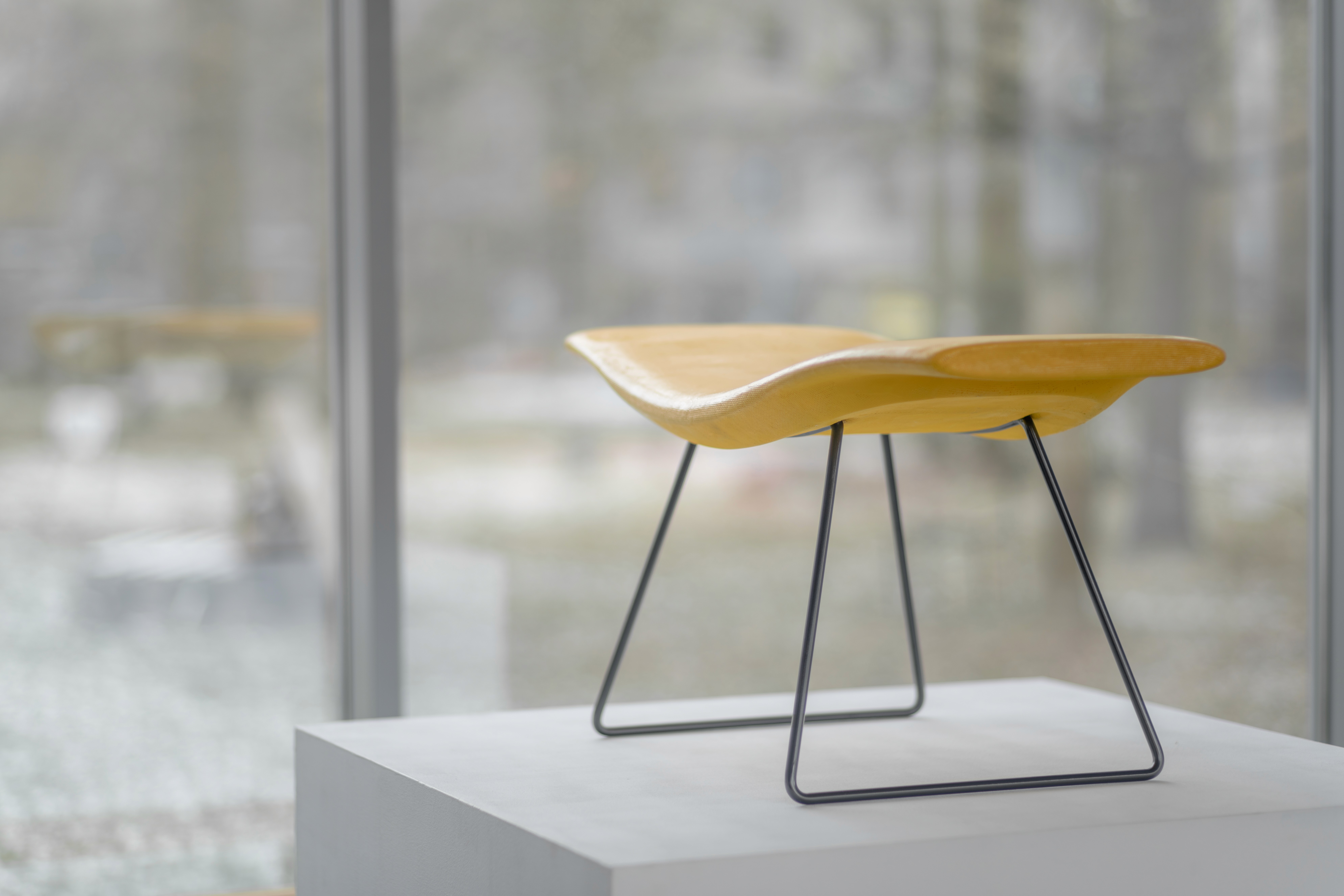
A self-initiated chair built around a surfboard silhouette — CNC-cut seat segments wrapped in carbon fibre and fibreglass on slim bent-steel legs.
Challenges
Bridging an organic reference with the constraints of a sittable object. Most chairs inspired by organic forms either over-stylise the reference — turning the source object into a literal sculpture — or strip it back so far that the inspiration disappears. Surfing Stuhl had to keep the recognisable contour of a surfboard while staying genuinely sittable, so the seat profile had to be developed and tested as carefully as the outer silhouette.
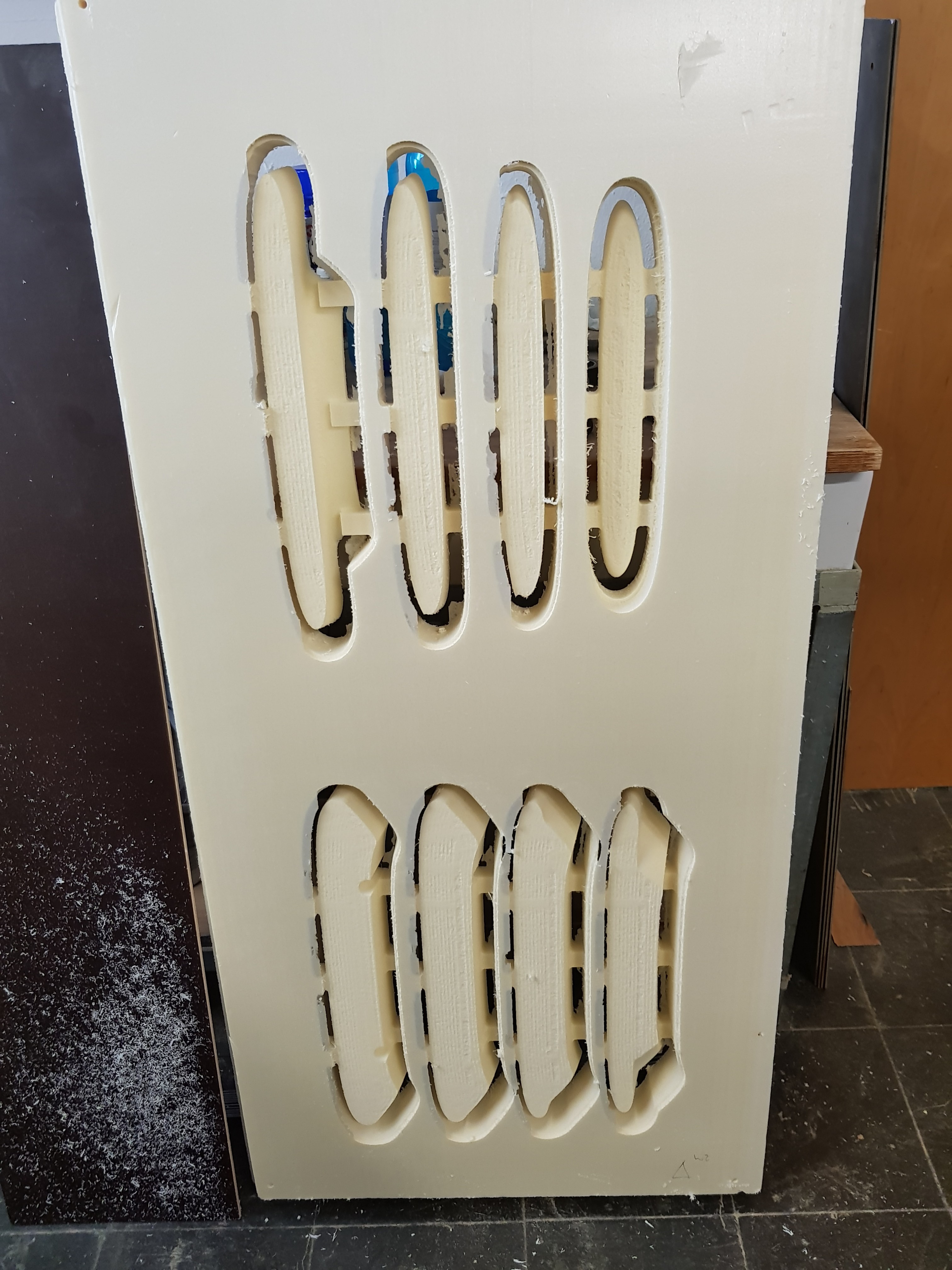
Making complex curvature reproducible in physical form. A continuously curving seat shape is straightforward to render in 3D software but difficult to fabricate consistently. Translating the digital model into a physical part meant segmenting the seat into twenty CNC-cut pieces, assembling them, wrapping the assembly in carbon fibre, casting a fibreglass outer skin, and foam-filling the interior — a layered process where each step had to hold tight tolerances for the final form to read cleanly.
Engineering ergonomic comfort inside a sculptural brief. A surfboard silhouette and a comfortable seat surface are not the same shape. Holding the visual identity while producing real back and thigh support required iterative prototyping and user testing, refining the curvature of the seat in small increments until the chair could be sat in for extended stretches without compromising the original line.
Results
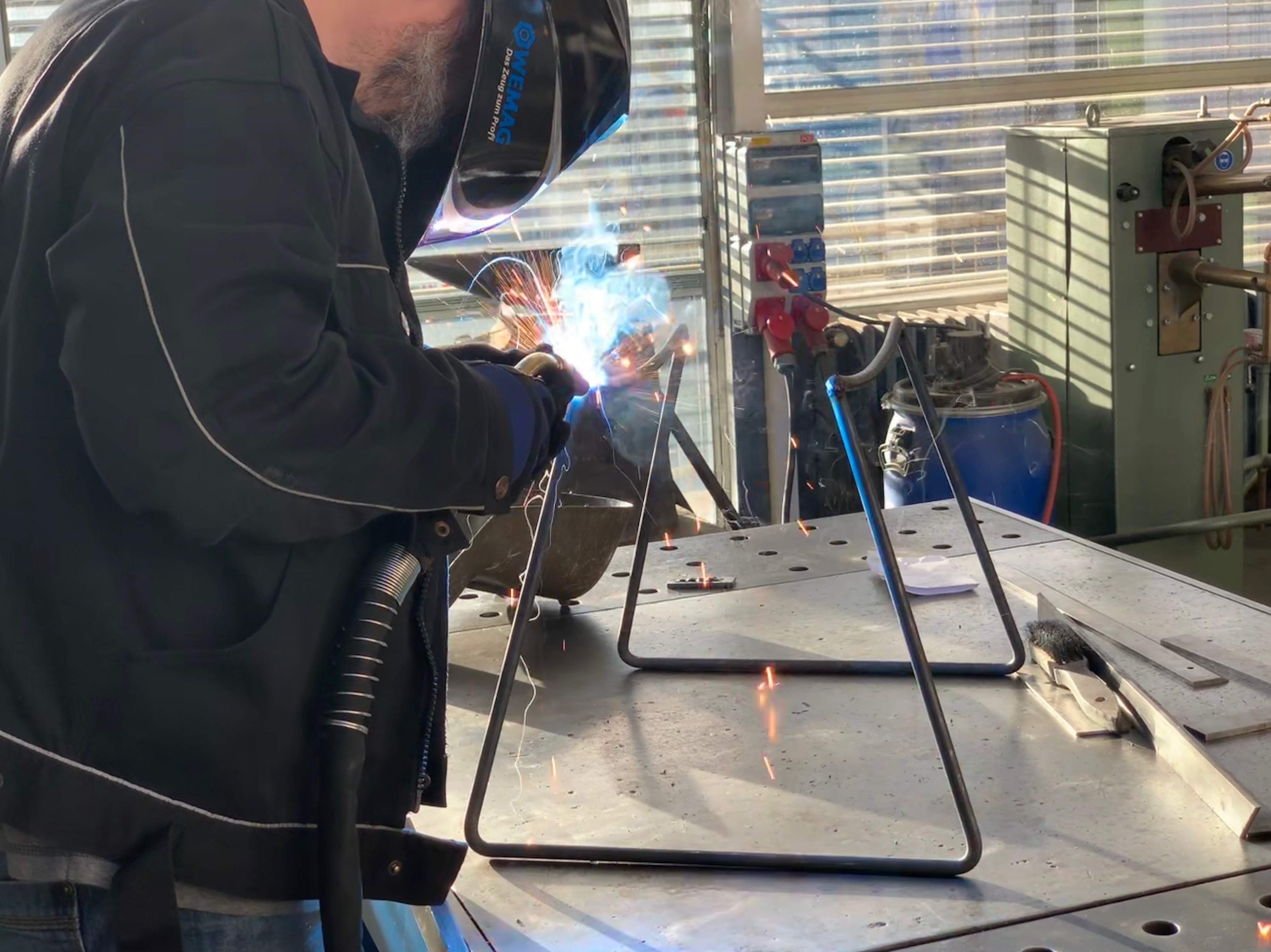
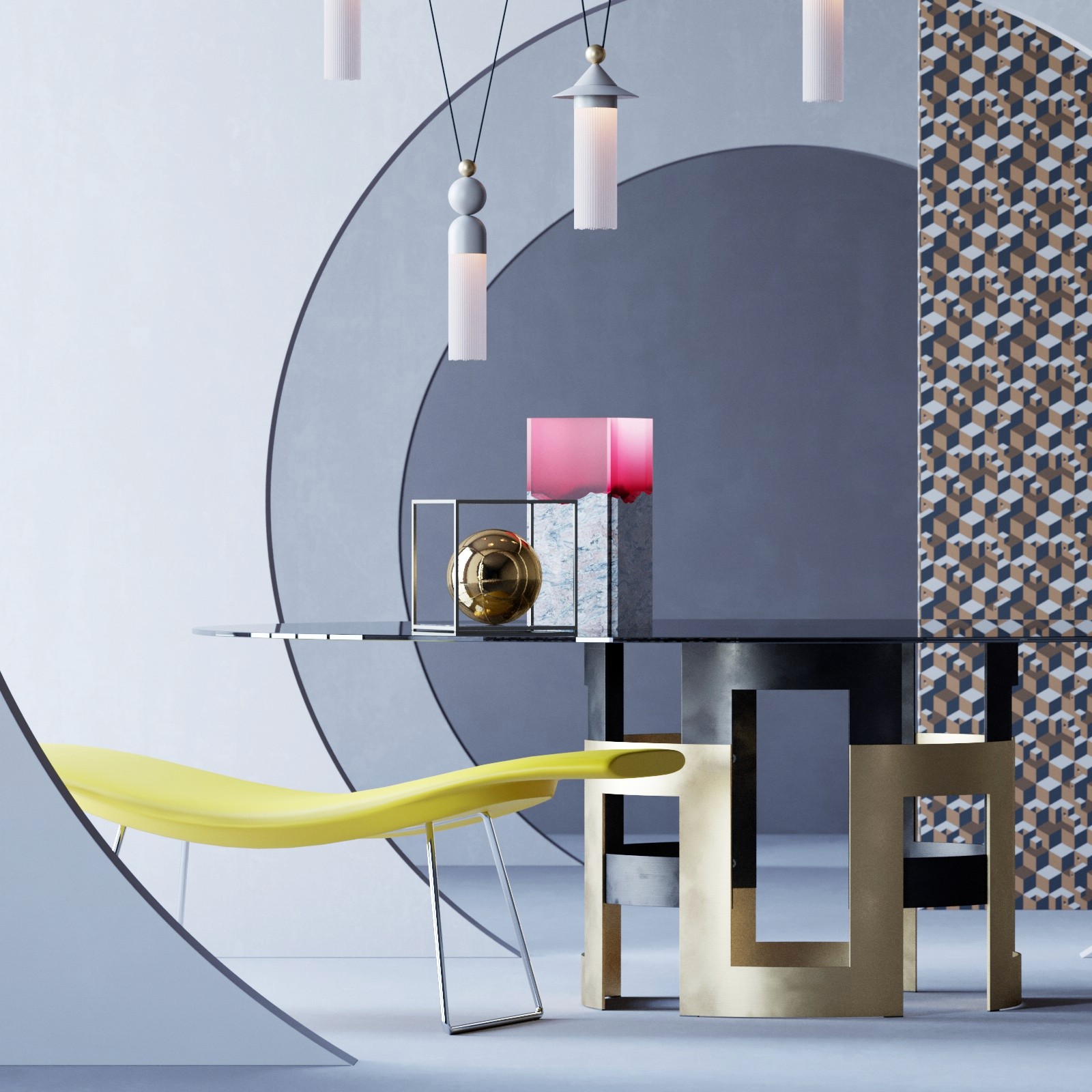
The completed Surfing Stuhl stays close to the original concept model, with minimal deviation between the digital intent and the finished object. A glossy yellow fibreglass seat sits on slim, bent black steel legs — a colour and material contrast that keeps the chair playful without sliding into novelty — and the layered carbon-fibre and foam construction keeps it light enough to lift and move with one hand. The chair has been received warmly within the design community, and the next phase explores a limited-edition production run and conversations with manufacturers to bring the piece to a wider audience.
Surfing Stuhl — Sculptural Chair Inspired by a Surfboard
Company
Surfingstuhl
Timeline
2020
—
2021
Role
Design
Project overview
A self-initiated chair built around a surfboard silhouette — CNC-cut seat segments wrapped in carbon fibre and fibreglass on slim bent-steel legs.
Challenges
Bridging an organic reference with the constraints of a sittable object. Most chairs inspired by organic forms either over-stylise the reference — turning the source object into a literal sculpture — or strip it back so far that the inspiration disappears. Surfing Stuhl had to keep the recognisable contour of a surfboard while staying genuinely sittable, so the seat profile had to be developed and tested as carefully as the outer silhouette.
Making complex curvature reproducible in physical form. A continuously curving seat shape is straightforward to render in 3D software but difficult to fabricate consistently. Translating the digital model into a physical part meant segmenting the seat into twenty CNC-cut pieces, assembling them, wrapping the assembly in carbon fibre, casting a fibreglass outer skin, and foam-filling the interior — a layered process where each step had to hold tight tolerances for the final form to read cleanly.
Engineering ergonomic comfort inside a sculptural brief. A surfboard silhouette and a comfortable seat surface are not the same shape. Holding the visual identity while producing real back and thigh support required iterative prototyping and user testing, refining the curvature of the seat in small increments until the chair could be sat in for extended stretches without compromising the original line.
Results
The completed Surfing Stuhl stays close to the original concept model, with minimal deviation between the digital intent and the finished object. A glossy yellow fibreglass seat sits on slim, bent black steel legs — a colour and material contrast that keeps the chair playful without sliding into novelty — and the layered carbon-fibre and foam construction keeps it light enough to lift and move with one hand. The chair has been received warmly within the design community, and the next phase explores a limited-edition production run and conversations with manufacturers to bring the piece to a wider audience.